
WELCOME BONUS 300%
UP TO €2000 + 100
FREE SPINS
UP TO €2000 + 100
FREE SPINS
Home → Roulette
Roulette at Swift Casino
Table Limit 500 Euro Stops Every Doubling
The maximum bet limit is set at 500 EUR for standard roulette variants, which directly impacts high-stakes progression strategies. A Martingale sequence starting at 10 EUR requires seven consecutive wins to reach this cap, as the eighth step demands 1,280 EUR. This restriction prevents players from recovering losses through doubling after a significant losing streak on European or French tables.
Live dealer tables offer higher limits, with Ultimate Roulette and Mega Fire Blaze Roulette Live allowing wagers up to 5,000 EUR per spin. These premium environments accommodate professional bankrolls that exceed the standard room caps without forcing a reset of the betting cycle. The increased capacity allows for more aggressive staking plans compared to the constrained RNG options.
Mega Roulette by Pragmatic Play Live imposes a slightly lower ceiling of 2,000 EUR for its multipliers-focused gameplay. While still substantial, this limit is significantly below the 5,000 EUR threshold found in other live offerings. Players seeking maximum flexibility in their stake sizing must navigate these varying restrictions across different game providers.
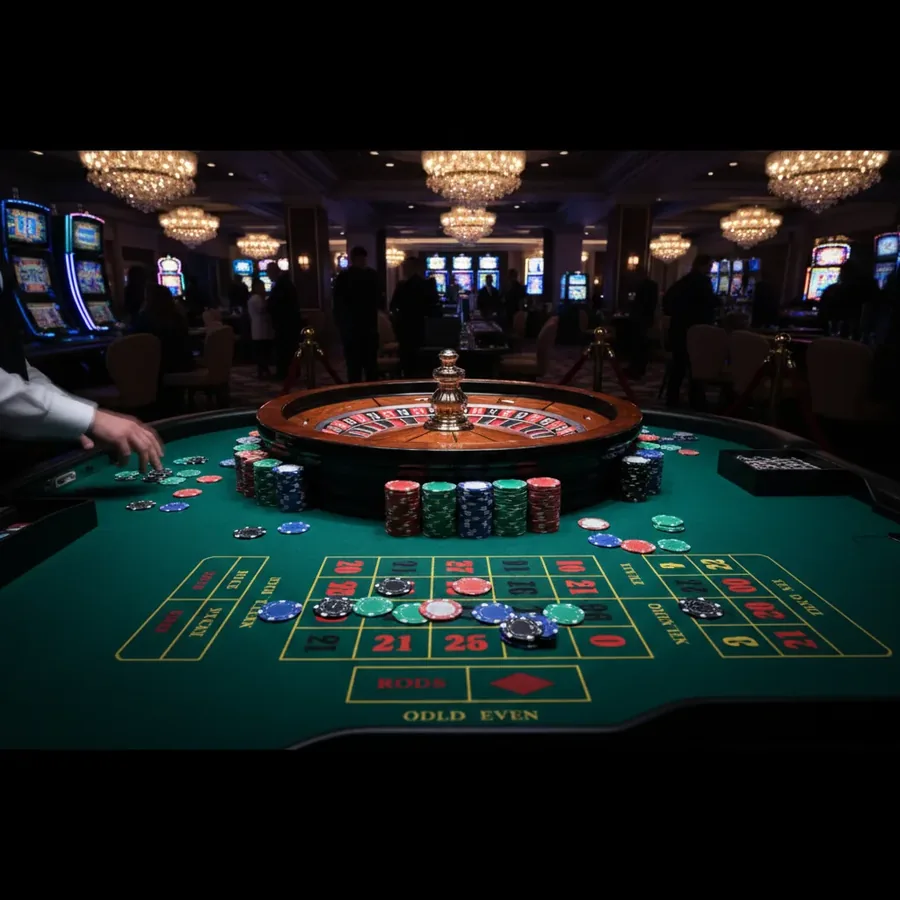
Split 17:1 and Street 11:1 Explained
A split wager covers two adjacent numbers on the layout and pays out at odds of 17:1 upon a successful hit. This internal bet offers a higher payout probability than a straight-up number but requires precise placement between two chips' slots. The house edge remains consistent at 2.70% for European wheels regardless of the specific internal combination chosen.
Street bets cover three consecutive numbers in a row and return winnings at 11:1 when one of those numbers wins. This configuration provides better coverage of the wheel than a split while maintaining a favorable risk-to-reward ratio. Both split and street wagers fall under the category of inside bets, which do not benefit from special rules like La Partage.
Corner bets covering four numbers pay 8:1, while six-line bets covering two rows pay 5:1, creating a tiered structure for internal stakes. Straight bets on single numbers yield the highest payout at 35:1 but carry the lowest probability of success. Understanding these ratios helps beginners manage their bankroll volatility across different sections of the roulette table.
Live Table vs RNG Table: Rounds per Hour
RNG roulette games typically process approximately 60 to 80 spins per hour due to the instant nature of digital randomization. Players can execute rapid sequences of bets without waiting for physical dealers or ball physics to determine outcomes. This speed allows for faster accumulation of wagering requirements but increases the rate of potential loss exposure.
Live dealer tables operate at a slower pace, averaging 30 to 45 rounds per hour because of real-world dealing procedures. The presence of human croupiers managing physical balls and chips introduces natural delays between each spin's conclusion. This reduced tempo offers a more social experience but slows down the progress toward bonus clearance significantly.
Game providers like Ezugi and Playtech maintain these distinct operational speeds to cater to different player preferences. High-frequency RNG users might complete the required turnover much faster than those engaging with Mega Fire Blaze Roulette Live. The choice between speed and atmosphere fundamentally alters how long a session lasts relative to the initial deposit.
Only 10 Percent Contribution: What are the Consequences?
Table games contribute only 10 percent toward fulfilling the 300% welcome bonus wagering requirement, drastically slowing down clearance progress. A 2,000 EUR bonus would require 80,000 EUR in total turnover if played exclusively on roulette variants. This low contribution rate makes table games inefficient for converting promotional funds into withdrawable cash compared to slots.
The discrepancy arises because casinos assign higher volatility risks to fixed-odds games like roulette, which have predictable house edges. European roulette maintains a 2.70% advantage while French variants offer 1.35%, both considered too stable for bonus abuse prevention. Consequently, the operator restricts their impact on the playthrough obligation to mitigate financial liability.
Players aiming to clear the bonus efficiently should prioritize slot titles that likely offer 100% contribution rates instead. Relying solely on the 10% allowance for roulette means spending eight times longer to meet the same turnover target. This structural disadvantage discourages heavy betting on table games during the active bonus period.
Which Tables are Blocked with Active Bonus?
All roulette variants remain accessible during the active bonus period, including European, French, and American versions available in the library. Players can engage with Ultimate Roulette, Mega Fire Blaze Roulette Live, and Mega Roulette without account restrictions or game locks. The casino does not impose blanket bans on specific table types when the promotional funds are in use.
However, betting on roulette incurs the 10% contribution penalty, effectively reducing the value of every wager placed toward clearing the bonus. Wagers on straight bets paying 35:1 or even-money outside bets paying 1:1 count equally toward the slow turnover process. This limitation applies uniformly across all providers offering standard and live dealer roulette formats.
American roulette features a higher house edge of 5.26% and includes the five-number bet with a 7.89% edge, making it particularly costly for bonus hunters. While legally playable, the mathematical disadvantage combined with the low contribution rate renders these tables suboptimal for bonus conversion. Strategic players often avoid these variants until the wagering requirement is fully satisfied.
Roulette bet types at a glance
| Bet | Payout | Win Chance | Numbers Covered | House Edge |
|---|---|---|---|---|
| Roulette Amerikanisch – Five Number Bet (0, 00, 1, 2, 3) | Five Number 6:1 (deckt 5 von 38 Sektoren) | 92.11% | Einzige Wette am amerikanischen Rad mit Edge über 5,26% – „Fallenwette“. Kein Äquivalent am europäischen Rad | 7.89% |
| Roulette Französisch, innere Einsätze (La Partage gilt nicht) | Straight 35:1, Split 17:1, Street 11:1, Corner 8:1, Six Line 5:1, Dozen 2:1, Column 2:1 | 97.30% | Rad gleich (37 Sektoren), aber La Partage/En Prison gilt nicht für innere Einsätze – Edge bleibt europäisch | 2.70% |
| Roulette Europäisch (einfache Null, 37 Sektoren) | Straight 35:1, Split 17:1, Street 11:1, Corner 8:1, Six Line 5:1, Dozen 2:1, Column 2:1, Rot/Schwarz 1:1, Odd/Even 1:1, 1-18/19-36 1:1 | 97.30% | 37 Sektoren (1–36 + 0); Auszahlungen wie für 36 Sektoren – daher konstanter Edge auf ALLE Wetten | 2.70% |
| Roulette Amerikanisch (doppelte Null, 38 Sektoren) | Straight 35:1, Split 17:1, Street 11:1, Corner 8:1, Six Line 5:1, Dozen 2:1, Column 2:1, Rot/Schwarz 1:1 | 94.74% | 38 Sektoren (1–36 + 0 + 00); Auszahlungen wie beim europäischen Rad, aber der zusätzliche Sektor verdoppelt den Hausvorteil | 5.26% |
| Roulette Französisch mit La Partage (gerade Chancen) | Rot/Schwarz 1:1 (bei 0 Rückerstattung 50%), Odd/Even 1:1, Low/High 1:1; Innere Einsätze ohne La Partage: Straight 35:1, Split 17:1, Street 11:1, Corner 8:1 | 98.65% | Bei 0 wird die Hälfte des Einsatzes auf gerade Chancen zurückerstattet (Rot/Schwarz, Pair/Impair, Manque/Passe). En Prison gibt denselben 1,35%. Regel gilt NUR für gleiche Einsätze | 1.35% |
Straight 35:1 vs Dozen 2:1 Hit Rate
A Straight wager on any single number pays 35:1, while a Dozen bet yields only 2:1 returns. The Straight payout covers one sector out of thirty-seven in European Roulette, creating a much lower probability of success than the Dozen option which covers twelve numbers. This structural difference means players chasing frequent small wins should prefer the Dozen bet over the high-risk Straight approach.
The House Edge remains constant at 2.70% for both the Straight and Dozen bets in European Roulette variants. However, the variance differs significantly because the Straight bet requires hitting a single specific outcome to trigger the 35:1 multiplier. Players must understand that higher payouts correlate directly with lower hit rates when comparing these two distinct betting categories.
Bankroll preservation favors the Dozen bet due to its higher frequency of winning spins compared to the rare Straight hits. A player utilizing a 30 Euro balance can sustain more rounds with Dozen wagers before depleting funds through losing streaks. This statistical reality makes the Dozen bet a safer choice for beginners aiming to extend their playing time without excessive risk.
Which Table Fits a 30 Euro Balance
Ultimate Roulette by Ezugi accepts bets starting from 0.10 EUR up to 5,000 EUR per round. This low minimum entry point allows a 30 Euro bankroll to endure approximately three hundred spins if the player consistently wagers the minimum amount. Such longevity provides ample opportunity to experience the game mechanics without immediate financial pressure or rapid depletion of funds.
Mega Fire Blaze Roulette Live also permits a minimum stake of 0.10 EUR within its standard betting limits. With this threshold, a 30 Euro balance supports roughly three hundred rounds of play, matching the accessibility of other tables. The consistent minimum requirement ensures that smaller budgets can access live dealer environments alongside larger stakes players.
Mega Roulette from Pragmatic Play Live sets a slightly higher minimum bet at 0.20 EUR per spin. This adjustment reduces the total possible rounds for a 30 Euro balance to approximately one hundred fifty spins. Despite the reduced count, the table remains accessible, though players must manage their stake size more carefully to maintain sufficient playing duration.
European or American: Which Wheel Pays Better
American Roulette features a double zero configuration with thirty-eight sectors, resulting in a 5.26% House Edge for standard bets. This elevated edge significantly reduces the theoretical return to player compared to European versions, making it less favorable for long-term strategy. The additional zero pocket increases the casino's advantage across all standard wagering options available on the wheel.
European Roulette utilizes a single zero layout with thirty-seven sectors, offering a superior 2.70% House Edge for most bets. This lower edge translates to a higher RTP of 97.30%, providing better value for players seeking optimal odds. The absence of the double zero pocket drastically improves the mathematical expectation for every spin placed on the wheel.
The Five Number Bet in American Roulette presents a unique anomaly with a 7.89% House Edge, far exceeding the standard 5.26%. This specific wager covering zero, double zero, one, two, and three is statistically inferior to any bet on the European wheel. Beginners should avoid this trap as it offers the worst value among all available roulette options in the American variant.
Bankroll for 40x Wagering with 10 Percent
Tischspiele contribute only 10 percent toward the bonus turnover requirement, significantly slowing progress compared to slot games. To fulfill a 40x wagering condition on a 2,000 Euro bonus, players must generate 80,000 Euros in total turnover. This massive volume reflects the reduced contribution rate assigned to table games within the bonus terms.
The 300% welcome bonus up to 2,000 Euros creates a substantial liability that requires extensive playthrough activity. With a 10 percent contribution rate, every 100 Euros wagered on roulette counts as only 10 Euros toward the goal. This mechanism forces players to place eight times more actual bets than they would on fully contributing games to clear the bonus.
Calculating the necessary bankroll involves estimating the expected loss during the required turnover period based on the house edge. For example, generating 80,000 Euros at a 2.70% edge implies an expected loss of 2,160 Euros theoretically. This projection highlights the financial risk involved in clearing bonuses through table games with low contribution percentages.
Latency and Betting Window in Live Stream
Live dealer tables like Ultimate Roulette operate with real-time video streams that introduce inherent network latency into the betting process. Players must account for delay between placing a wager and the physical ball landing on the wheel. This timing gap requires quick decision-making skills to ensure bets are registered before the croupier locks the market.
The betting window closes shortly before the ball is spun, typically allowing only a few seconds for final adjustments. During this brief interval, players must confirm their stakes on platforms like Mega Fire Blaze Live. Missing this deadline results in rejected wagers, emphasizing the need for stable internet connections and responsive interface navigation.
Technical infrastructure variations between providers such as Ezugi and Playtech affect stream stability and update frequencies. Higher latency may cause discrepancies between displayed odds and actual game states during peak traffic hours. Players should monitor connection quality closely to avoid missing critical betting opportunities or experiencing delayed result updates.
How Much Bonus Wager for 100 Euro Roulette Bet?
A 100 euro wager on any roulette table contributes only 10 percent toward the bonus turnover requirement. This low contribution rate means that a single bet of this size adds merely 10 euros to the total required turnover volume. Consequently, clearing the full bonus amount demands significantly higher total betting volumes than standard slots allow.
The welcome offer provides a 300 percent match up to 2,000 euros plus 100 free spins, which sets a high initial balance for analysis. If a player deposits 2,000 euros and receives the maximum 6,000 euros in bonus funds, the turnover obligation scales accordingly.
Mathematical projection shows that 10,000 euros in actual bets yield only 1,000 euros of progress toward the bonus release. This inefficiency makes small stakes like 100 euros particularly poor tools for meeting the turnover conditions quickly. Players must account for the house edge while enduring these extended playthrough periods to unlock withdrawal eligibility.
Mistake: Choosing American Wheel with 5.26 Percent
The American roulette variant features a wheel with 38 sectors including both a single zero and a double zero. This configuration results in a fixed house edge of 5.26 percent across all standard outside bets like red or black. The presence of the extra pocket fundamentally alters the probability distribution compared to European alternatives.
In contrast, the French roulette variant maintains a lower house edge of 2.70 percent due to its 37-sector layout. While the Five Number Bet on the American wheel carries an even worse edge of 7.89 percent, avoiding the entire wheel type prevents exposure to this statistical disadvantage. The 5.26 percent rate is nearly double the cost associated with the European single-zero design.
Long-term mathematical expectation dictates that every 100 euros wagered on the American wheel loses approximately 5.26 euros to the house. This erosion of bankroll happens regardless of short-term winning streaks or specific betting patterns employed by the player. Switching to a 2.70 percent edge variant immediately halves the expected loss rate per unit staked.
The Five Number Bet covering 0, 00, 1, 2, and 3 pays 6 to 1 but suffers from a massive 7.89 percent house advantage. This specific wager is statistically inferior to any other option available on the same table and should be strictly avoided. No other American bet exceeds this negative expectancy, making it the worst possible choice for beginners.
100 Euro Bankroll: 100 Rounds Simple Chances
Starting with a 100 euro bankroll allows for exactly 100 rounds when betting one euro on simple chances like red or black. Each spin on the European wheel has a 48.65 percent probability of success against the 2.70 percent house edge. This setup provides a moderate variance profile suitable for analyzing long-term trends rather than chasing jackpots.
The payout for these outside bets is consistently 1 to 1, meaning a winning bet returns the original stake plus an equal profit. Over 100 rounds, statistical regression suggests the bankroll will drift downward by approximately 2.70 euros if luck averages out. This predictable decline illustrates the cumulative impact of the house edge over a fixed number of trials.
Variance plays a significant role in short sessions, allowing for temporary swings above or below the expected 97.30 euros remaining. However, the law of large numbers ensures that the 2.70 percent disadvantage manifests clearly as the round count increases. Managing the 100 euro limit requires strict discipline to prevent ruin during inevitable losing streaks.
Live tables such as Ultimate Roulette by Ezugi support minimum bets starting at 0.10 euros, offering flexibility for smaller bankrolls. This lower threshold extends the playtime beyond 100 rounds, potentially reducing the speed of bankroll depletion. The maximum win cap for such tables can reach up to 1,000 times the bet under special multiplier conditions.
Corner 8:1 Covers Four Numbers
A corner bet places chips on the intersection of four adjacent numbers, covering a specific block on the roulette layout. This wager pays 8 to 1, translating to a substantial return if any of the four selected digits hit. The probability of winning stands at approximately 10.81 percent on a single-zero wheel.
The house edge for this inside bet remains constant at 2.70 percent, identical to outside wagers despite the higher payout ratio. Unlike the straight bet which pays 35 to 1, the corner bet offers better frequency but lower individual rewards. This balance makes it a popular choice for players seeking moderate risk exposure.
Comparing the corner bet to the five-number bet reveals a stark difference in value, as the latter carries a 7.89 percent edge. The corner bet's 2.70 percent disadvantage is statistically superior, preserving more of the player's capital over time. Avoiding the American wheel's unique traps is essential for maintaining this favorable mathematical position.
Live variants like Mega Fire Blaze Roulette introduce multipliers that can significantly boost payouts for winning corner bets. These features add volatility to the standard game, potentially increasing returns beyond the base 8 to 1 ratio. However, the underlying house edge typically remains anchored near the standard 2.70 percent baseline.
What Outside Bets with 1:1 Actually Pay
Outside bets such as red/black, odd/even, and high/low pay exactly 1 to 1 upon a successful outcome. These wagers cover nearly half the available numbers on the wheel, excluding the green zero pocket. The simplicity of the payout structure makes them easy to track for beginners managing their bankroll.
On the French wheel with La Partage, losing bets on even money options result in a 50 percent refund when the ball lands on zero. This rule effectively halves the house edge on these specific bets to 1.35 percent, improving long-term retention significantly. Without this rule, the edge reverts to the standard 2.70 percent found on European wheels.
The American wheel lacks the La Partage rule, forcing players to accept the full 5.26 percent house edge on all 1 to 1 bets. This discrepancy highlights the financial advantage of choosing European or French variants for outside wagering strategies. The consistent 1 to 1 payout does not compensate for the doubled statistical disadvantage on the American layout.
Tables like Mega Roulette by Pragmatic Play Live may apply multipliers to straight bets, but standard outside bets usually remain at 1 to 1. These side features target high-risk inside wagers rather than altering the fundamental mechanics of the even-money propositions. Players relying on 1 to 1 bets should focus on table selection to minimize the inherent house advantage.
Contact
Live - online chat
Banking









Providers












Swift Casino 2026